
Social Media Marketing Mistakes That Cost Businesses Time and Money
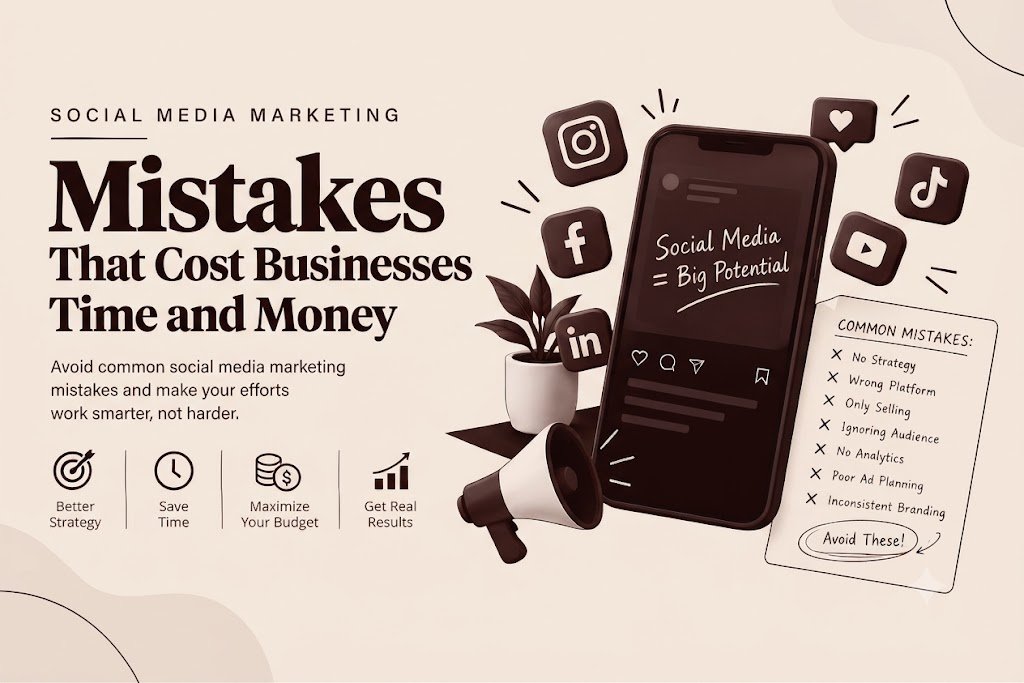
7 Common Mistakes Businesses Make on Social Media and How to Avoid Them
Social media marketing has become an important part of growing a business, building brand awareness, and reaching potential customers. Platforms like Instagram, Facebook, LinkedIn, and YouTube provide businesses with opportunities to connect with their audience and promote their products or services.
However, simply being active on social media doesn’t guarantee success. Many businesses spend hours creating content and money on advertisements without achieving meaningful results.
The problem isn’t always the marketing budget. Sometimes, it’s the strategy.
In this blog, we’ll explore 7 common social media marketing mistakes that can cost businesses time and money and learn how to avoid them.
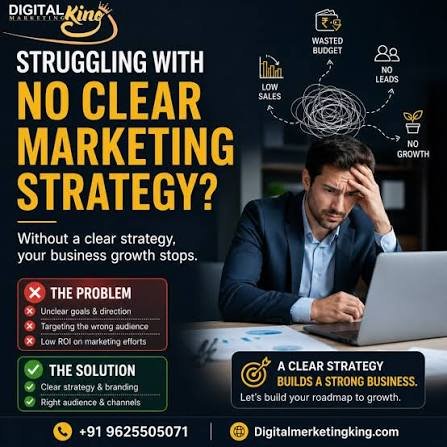
1. Posting Without a Clear Strategy
One of the most common social media marketing mistakes is posting content without a clear plan.
Some businesses publish posts whenever they have free time, while others copy trending content without considering whether it fits their brand or audience.
Although occasional posts may generate engagement, a lack of strategy can make it difficult to achieve business goals.
Why This Mistake Costs You
- Time is spent creating content without a clear purpose.
- Posts may not reach the right audience.
- Marketing efforts become inconsistent.
- Business goals are difficult to measure.
How to Avoid It
Create a social media marketing strategy that includes:
- Clear marketing goals
- Target audience research
- Content categories
- Posting schedule
- Performance tracking
For example, if your goal is to generate leads, focus on educational content, customer problems, service explanations, and relevant calls to action.
Tip: Every post should have a purpose, whether it’s educating, engaging, building trust, or generating leads.

2. Trying to Be Active on Every Platform
Many businesses believe they need to maintain a presence on every social media platform.
However, managing multiple platforms requires time, resources, and consistent content creation. Trying to do everything at once can reduce the quality of your marketing.
Why This Mistake Costs You
- More time spent managing different accounts
- Increased content creation workload
- Reduced consistency
- Limited focus on the platforms that matter most
How to Avoid It
Identify where your target audience spends time and choose platforms that align with your business goals.
For example:
- Instagram: Visual branding, products, and short-form content
- Facebook: Community engagement and local business promotion
- LinkedIn: Professional networking and B2B marketing
- YouTube: Educational videos and in-depth content
These are general examples. The right platform depends on your specific audience and business.
You don’t need to be everywhere. Focus on being valuable where your audience is.
3. Focusing Only on Selling
Social media is a powerful marketing tool, but constantly promoting products or services can make your content feel repetitive.
When every post focuses on selling, your audience may have fewer reasons to engage with your brand beyond a purchase.
Why This Mistake Costs You
- Reduced audience interest
- Fewer meaningful interactions
- Missed opportunities to build trust
- Content that may feel overly promotional
How to Avoid It
Create a balanced content strategy that includes:
Educational Content
- Tips and tutorials
- Industry insights
- Helpful guides
Engaging Content
- Polls
- Questions
- Interactive posts
Trust-Building Content
- Customer testimonials
- Behind-the-scenes content
- Business experiences
Promotional Content
- Product launches
- Service details
- Special offers
The ideal balance depends on your audience, business model, and goals.
Marketing Tip: Help your audience understand the value of your business before asking them to make a purchase.
4. Ignoring Your Target Audience
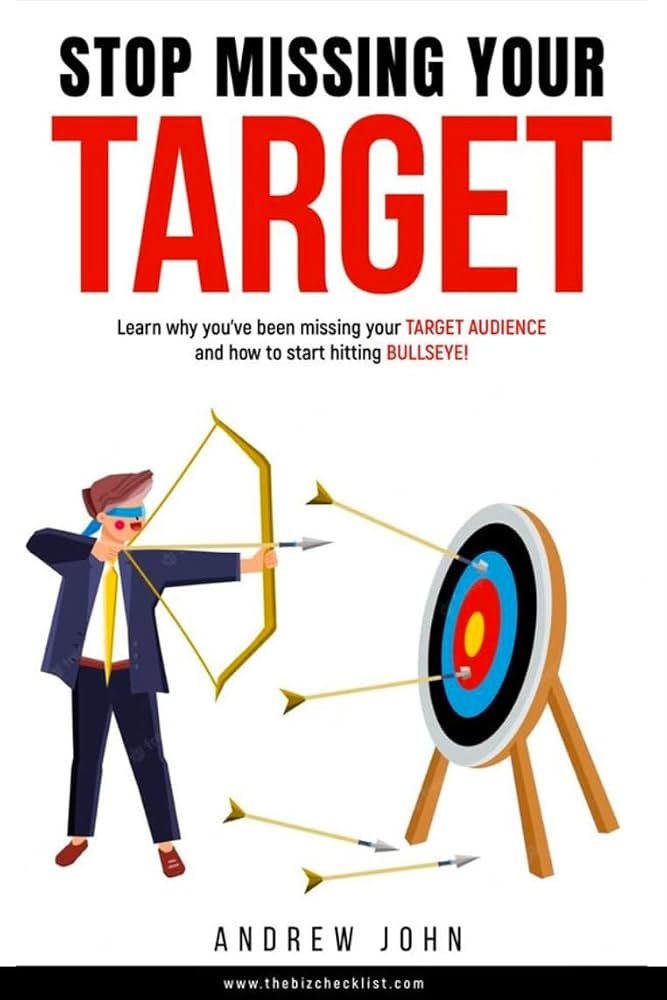
Creating content without understanding your audience can lead to wasted effort and ineffective campaigns.
Your audience has specific needs, interests, challenges, and preferences. Content that doesn’t address these factors may fail to connect with potential customers.
Why This Mistake Costs You
- Content may attract the wrong audience.
- Advertising budgets may be spent inefficiently.
- Messages may not address customer needs.
- Engagement may not translate into meaningful business results.
How to Avoid It
Research your target audience by asking:
- Who are my ideal customers?
- What problems are they trying to solve?
- What questions do they frequently ask?
- Which platforms do they use?
- What type of content do they find useful?
You can gather insights through customer conversations, surveys, social media analytics, and website data.
Example
A digital marketing agency targeting small business owners could create content about:
- How to generate leads online
- Common advertising mistakes
- Improving social media visibility
- Building a business website
Relevant content helps connect your marketing message with your audience’s interests.
5. Ignoring Analytics and Performance Data
Posting content regularly is useful, but without reviewing your results, you may not know whether your efforts are supporting your business goals.
Some businesses focus only on likes and followers, overlooking other metrics that may be more relevant to their objectives.
Why This Mistake Costs You
- Time may be spent on ineffective content.
- Advertising problems may go unnoticed.
- Opportunities for improvement may be missed.
- Decisions may be based on assumptions rather than data.
How to Avoid It
Track metrics that align with your marketing goals.
| Goal | Useful Metrics |
|---|---|
| Brand Awareness | Reach, impressions |
| Engagement | Comments, shares, saves |
| Website Traffic | Link clicks, website sessions |
| Lead Generation | Leads, cost per lead |
| Sales | Conversions, revenue |
Not every metric matters equally for every business.
For example, a campaign designed to generate leads should be evaluated using lead-related results rather than engagement alone.
Remember: High engagement does not automatically mean high sales.

6. Spending Money on Ads Without Proper Planning
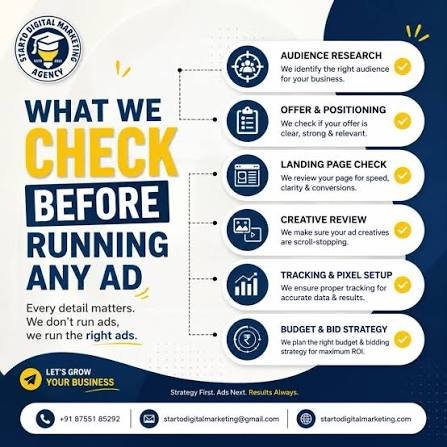
Paid social media advertising can help businesses reach specific audiences, but running ads without a clear strategy can result in unnecessary spending.
Some businesses launch campaigns without defining their target audience, budget, objectives, or conversion process.
Why This Mistake Costs You
- Budget may be spent on audiences that aren’t relevant.
- Campaign objectives may not match business goals.
- Poorly designed landing pages can reduce conversions.
- Results may be difficult to evaluate.
How to Avoid It
Before launching a paid campaign:
Step 1: Define Your Goal
Are you trying to generate leads, increase website visits, or promote a product?
Step 2: Understand Your Audience
Identify relevant audience characteristics and customer needs.
Step 3: Create Relevant Ad Content
Use clear messaging, appealing visuals, and a suitable call to action.
Step 4: Set a Budget
Choose a budget that fits your business and campaign objectives.
Step 5: Monitor Performance
Review results and test improvements based on your data.
Example
Instead of running an advertisement that simply says “Buy Now,” a service-based business could test an ad that explains a customer problem and offers a clear solution.
Results depend on factors such as audience, creative quality, offer, and campaign setup. Testing helps identify what works for your specific business.
7. Inconsistent Branding and Content Quality
Your social media profiles are often part of a customer’s first impression of your business.
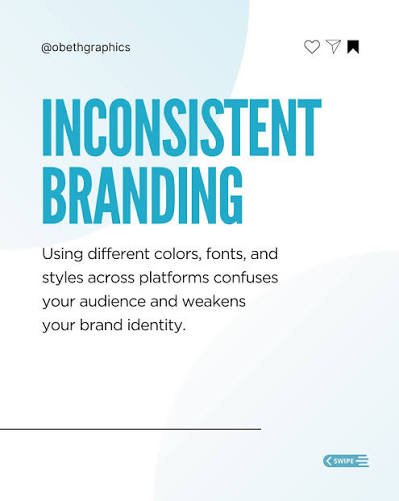
If your branding, messaging, and visual style change frequently without a clear reason, it may become harder for customers to recognize your business.
Why This Mistake Costs You
- Brand recognition may be weaker.
- Content production can become less organized.
- Customers may receive inconsistent messages.
- Time may be wasted redesigning content repeatedly.
How to Avoid It
Create simple brand guidelines that include:
- Brand colors
- Font choices
- Logo usage
- Visual style
- Tone of voice
- Content templates
For example, a business can use consistent colors and typography across Instagram posts, website graphics, and promotional materials.
A consistent brand identity helps create a recognizable and professional online presence.
However, consistency doesn’t mean every post must look identical. You can experiment while maintaining your core brand identity.
Bonus Mistake: Following Every Trend Without a Purpose
Social media trends change quickly. While trends can provide creative opportunities, participating in every trend may not support your marketing goals.
Why This Mistake Costs You
- Time spent creating irrelevant content
- Inconsistent brand messaging
- Content that attracts attention but not relevant customers
How to Avoid It
Before using a trend, ask:
- Does it relate to my audience?
- Does it fit my brand?
- Does it support my marketing goal?
- Can I adapt it meaningfully?
Use trends as a tool, not as your entire marketing strategy.
How to Create a More Effective Social Media Marketing Strategy
Now that we’ve explored common mistakes, let’s look at a simple approach to improving your social media marketing.
Step 1: Set Clear Goals
Decide what you want your social media activities to achieve.
Step 2: Identify Your Audience
Understand your customers’ needs, interests, and behavior.
Step 3: Choose Relevant Platforms
Focus on platforms that match your audience and resources.
Step 4: Plan Your Content
Create a content calendar with educational, engaging, and promotional posts.
Step 5: Use Consistent Branding
Maintain a recognizable visual identity and clear messaging.
Step 6: Track Your Results
Review relevant metrics regularly.
Step 7: Improve Your Strategy
Use performance data and customer feedback to make informed adjustments.
Conclusion: Avoid Mistakes and Market Smarter
Social media marketing can help businesses build visibility, connect with customers, and support business growth. However, achieving meaningful results requires more than simply posting content or spending money on advertisements.
The key is to focus on strategy, audience understanding, consistency, and continuous improvement.
By avoiding common social media marketing mistakes, you can make better use of your time, improve your marketing decisions, and create content that supports your business objectives.
Remember, you don’t need a perfect strategy from day one. Start with clear goals, learn from your results, and keep improving.
Final Marketing Tip
Don’t just post more. Post with purpose, understand your audience, and measure what matters.